The technology industry spent two decades teaching consumers to expect one rectangular object to do everything. Phones absorbed cameras and music players; tablets made ambitious promises about laptops; watches acquired miniature applications. Yet some of the most appealing devices now ask for a smaller job. They want to help you read, write or think, then leave you alone.
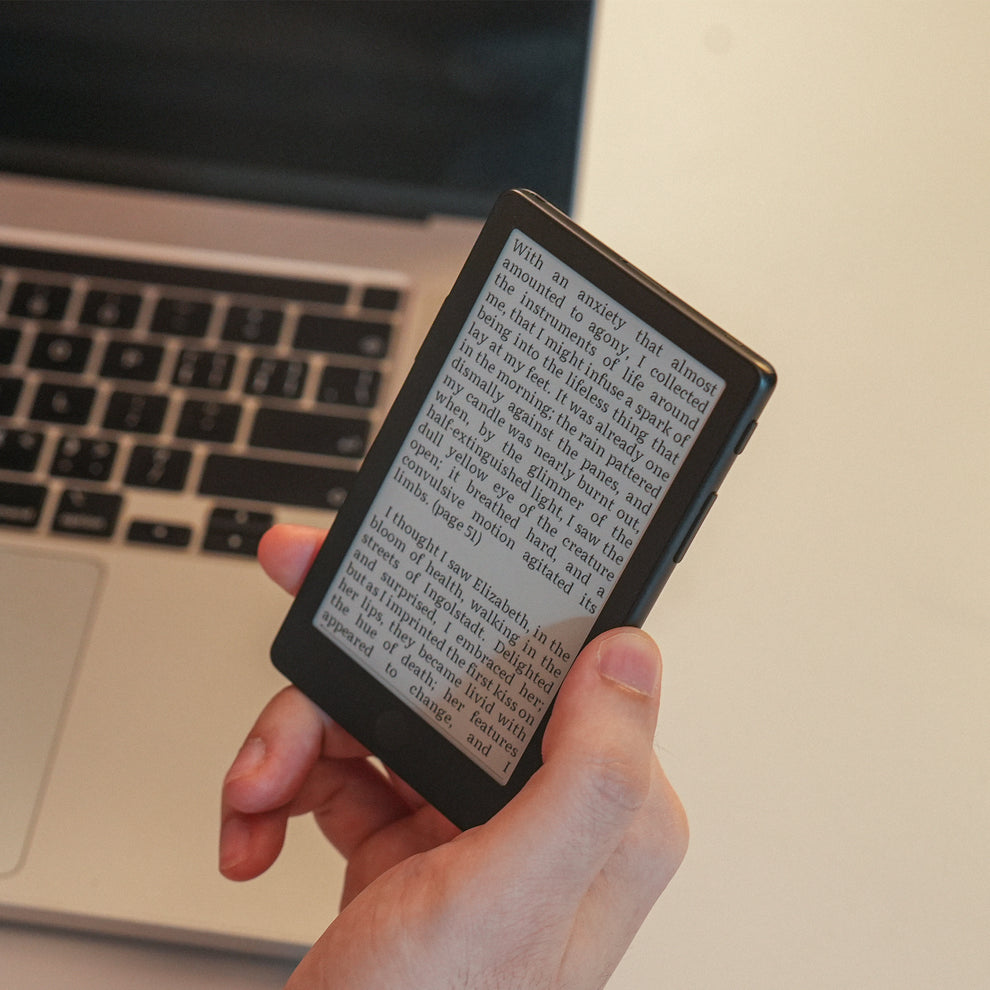
Consider the e-reader. It remains an odd survivor of the smartphone era, a device that is manifestly worse at almost everything except its chosen task. Its monochrome or muted-color display is less dazzling than a phone. Its interface is less flexible. Its refresh rate is modest. These apparent disadvantages can become virtues when a reader is trying to finish a chapter rather than surrender another half hour to alerts.
Kobo’s Libra Colour shows how the category has evolved without surrendering its identity. Its color E Ink screen broadens the types of pages it can display, while physical page-turn buttons preserve an experience that owes more to books than to tablet computers. The point is not technological nostalgia. It is a deliberate decision about what sort of attention a machine should demand.
reMarkable makes a related argument with its Paper Pro. This is a digital notebook with sophisticated features, including color annotations and handwriting conversion, yet its central proposition remains constrained. You are not being invited to replace every piece of hardware you own. You are buying a place to work with words and marks without the noise of an ordinary general-purpose screen.
The return of single-purpose design is not necessarily a revolt against powerful computers. A specialized device still depends on electronics, software, cloud accounts and the same supply chains as any other gadget. Its limitations can also be maddening: managing files between ecosystems, paying extra for accessories, or discovering that one essential format does not behave as expected.
But a feature list is a poor substitute for understanding a product’s role. The most useful question may no longer be ‘How much can this do?’ It may be ‘What will this let me stop doing?’
The strongest gadgets in this category make a contract with their owners. They will not demand constant attention, and in exchange they ask to be used for something meaningful. That is an unexpectedly modern idea: technology that respects the boundaries of the activity it was built to serve.
Source: Product information and background. Product features, compatibility, pricing and availability can change.

