★★★★★ | Five stars
The iPhone 17 Pro Max is a phone that has stopped pretending to be small. It is broad, substantial and equipped with a screen that would once have been considered lavish on a little tablet. That sounds like a complaint until you consider what most people now ask their phones to do. A modern handset is a camera, reading machine, map, office, television, notebook and communications hub. The remarkable thing is not that the Pro Max has grown. It is that all of those responsibilities still fit into something you can carry.
The 6.9-inch OLED display sets the tone. It makes ordinary tasks feel generous: a page of writing has room to breathe, a photograph deserves closer inspection, and a long message no longer seems confined to a narrow strip of glass. Apple specifies a 120Hz adaptive ProMotion refresh rate and high outdoor brightness, valuable features for the thing a phone does more often than any benchmark exercise: show information under whatever conditions a day happens to provide.
I own the 17 Pro Max, and its appeal is in the way it consolidates so much of daily life. There is a temptation when reviewing an expensive handset to treat every capability as a separate performance event. Cameras, processor, speakers, screen and battery are measured, compared and awarded numerical positions in a contest. That is useful information, but it does not quite explain why people become attached to their phones. The device succeeds when all those components stop calling attention to themselves.
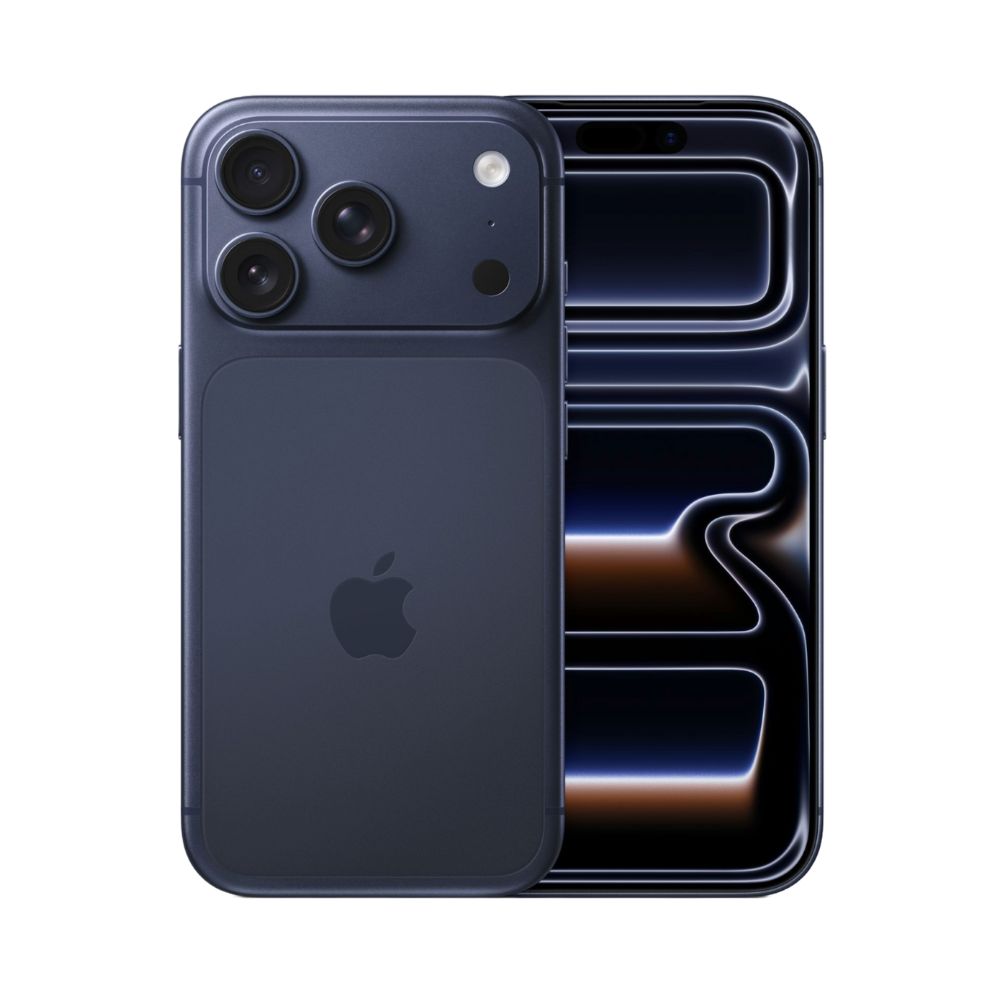
Apple changed the physical character of the Pro line with this generation, using an aluminum unibody design and a prominent camera assembly. The phone is not delicate in appearance. It resembles a serious photographic instrument that happens to make calls. The substantial form may not appeal to someone seeking the lightest possible handset, but it carries an appealing sense of purpose. There is something reassuring about a device that looks designed for use rather than merely for a showroom display.
The camera is part of everyday memory
Phone photography has become an oddly complicated business. A family dinner, a street scene or the expression on someone’s face can be technically difficult, yet the photographer often has only a moment. A good phone camera has to act as quickly as the impulse to use it. The 17 Pro Max combines sophisticated computational processing with a multi-camera system that offers useful choices in framing. Its achievement is not to replace a large professional camera in every situation. It is to make competent photography available when nothing else is at hand.
The three-camera arrangement expands the kind of composition a phone can attempt. A wide view can establish a place, a standard perspective can preserve a scene and telephoto options can isolate a subject without the photographer moving closer. The distinction between optical and computational zoom still matters, as do lighting and motion. Yet the practical delight lies in having those options without carrying another bag. The best camera is not always the one with the biggest sensor. It is frequently the one you were prepared to bring.
Photography is only part of the display’s usefulness. Reading is a major occupation on a phone, from newspapers and research to books and messages. A generous screen is not an extravagance when it makes those activities less cramped. The Pro Max is large enough to hold a worthwhile amount of text, and its adaptive refresh helps the interface feel more natural. It will not replace the distinct calm of a Kindle, but it is the device most likely to be within reach when curiosity strikes.
Apple’s A19 Pro chip is the engine, and it is clearly powerful. But speed has become a curious quality in premium phones. When the interface opens immediately and applications behave with little hesitation, the processor does not create drama; it removes it. That is the right result. A thousand impressive calculations per second are not worth much to the person who needs a camera to open before a moment has vanished.
The good kind of excess
The size brings real trade-offs. At roughly 233 grams, the Pro Max is not the handset for someone devoted to featherweight minimalism. A one-handed gesture can become a stretch, and an ordinary pocket must make room for it. These are physical facts, not hidden flaws. For the person who values a wide screen, substantial camera system and ambitious battery capacity, the compromise may be worthwhile. A small phone is delightful until a long day makes its limitations seem rather less charming.
Battery life is one of the least romantic but most consequential parts of phone ownership. It determines how freely a person can navigate, photograph, read and communicate without spending the afternoon searching for a plug. Apple’s published battery estimates are not a substitute for observing a particular owner’s habits, and I would not pretend to have run a controlled endurance trial here. The more important point is that the Pro Max belongs to the class of phones designed for people who use their devices hard throughout the day.
An expensive flagship should also feel pleasant during ordinary moments. The camera is not taking a masterpiece every minute; the processor is not continuously rendering a spectacular game. Most of the time, the phone is showing a calendar, displaying a map, taking a photograph that may never leave a private album or providing a few paragraphs of reading. The quality of those commonplace interactions is the real argument for a premium device.
An interesting effect of carrying such a capable camera is that the world becomes slightly more photographable. A moment you might once have dismissed as too distant or too poorly lit becomes worth trying to capture. That does not mean the resulting picture will always be excellent, or that computational photography has escaped the laws of optics. It means the threshold for attempting an image has fallen. For people who work with images or simply care about remembering places and people, that is a meaningful benefit.
There is an equally important pleasure in predictability. A flagship phone should behave like familiar equipment rather than a demonstration unit. It should handle maps when you are lost, a call when you are occupied and a document when you are sitting between appointments. A device that regularly interrupts those tasks for attention has failed, regardless of its technical ambitions. The Pro Max’s proposition is not merely that it can do more, but that its capabilities are available without a great deal of fuss.
All of that is why I am inclined to judge a phone as an everyday possession rather than a bundle of headline specifications. If you hold onto one for a year or two, the initial novelty wears away and what remains is its weight, screen, camera, battery and the thousand little interactions of daily life. A large and expensive phone has to make those interactions worthwhile. The 17 Pro Max is designed to do so with an unusual degree of ambition.
Five stars for the 17 Pro Max because its ambition is comprehensible. It is a large phone meant to perform a great many roles beautifully, and its physical presence feels consistent with that task. There are reasons to choose a smaller or less expensive handset, and every buyer should consider them. But there is also a genuine pleasure in carrying a capable pocket computer that asks so little of you when the next useful thing needs doing.
Product information: Official documentation.

