OWNER REVIEW · ★★★★☆ · 4/5, editorial assessment based on my documented experiences
What I bought: First-generation Apple Vision Pro, 512GB, with ZEISS prescription optical inserts. Ordered from Apple in April 2024; the headset alone cost $3,699 before tax, and the inserts were $149.
The strangest thing about the Apple Vision Pro is that I initially thought it was a gimmick. I took it for an extravagant augmented-reality toy, the sort of device that dazzles in a demonstration and then finds its way into a cabinet. I was wrong about what it could do for me.
The revelation was not a floating movie screen or the illusion of futuristic windows suspended in midair. It was the possibility of reading comfortably. I had struggled with eye strain, and the Vision Pro’s crisp, legible display made reading, browsing and watching video feel possible in ways ordinary screens increasingly did not. I described the difference as almost miraculous.
A screen that mattered
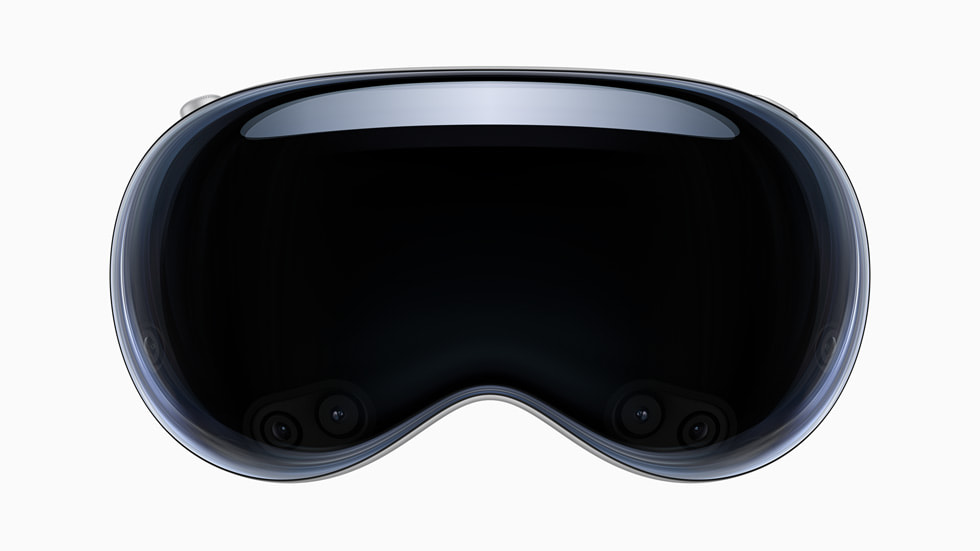
Apple marketed the first Vision Pro as a spatial computer. In practical terms, it put digital material inside a headset with high-resolution displays, hand and eye input, and a custom fit. The hardware promised a new computing paradigm, but what captured me was something far less grand: the ability to look at text without the usual strain.
In my own notes I called it ‘the only screen I can actually use’ and said it gave me a distraction-free place to work and read. The device also became a way to watch movies and browse the web. Those aren’t theoretical use cases; they were the particular reasons I cared about this expensive headset.
The inconvenient future
My Apple order included prescription ZEISS optical inserts, and setting up that purchase required separate prescription verification. That’s a useful reminder that the headset experience isn’t one-size-fits-all. Even before discussing apps or immersive experiences, this product asks the buyer to navigate fit, optics and a very substantial financial commitment.
I don’t have a defensible battery-life test, weight-comfort diary or count of the apps I used, so I won’t pretend otherwise. Nor does my experience establish that the Vision Pro is the best answer to another person’s vision difficulties. What it establishes is narrower and more compelling: an exotic product that looked frivolous to me became genuinely useful.
Who should buy it?
Most people should be skeptical of spending thousands on a headset. The first-generation Vision Pro is an extraordinary niche product, and its price alone makes it hard to recommend casually. Yet it would be a mistake to dismiss unusual hardware simply because its mass-market purpose remains obscure. Occasionally, a niche product solves someone’s very real problem.
For me, it did. That doesn’t make it the future of everything. It makes it one of the rare expensive gadgets I can explain in personal terms.
Pros: Exceptionally legible virtual screens in my experience; an immersive setting for reading, browsing and films; meaningful relief from ordinary-screen frustrations.
Cons: Extraordinary price; added cost and setup for prescription inserts; a specialized experience unlikely to suit everyone.
Disclosure: I purchased the Vision Pro and prescription inserts myself. The accompanying photograph is official Apple product imagery, not a picture of my headset. This is a personal owner assessment, not a new standardized hardware test.

